In the ever-evolving landscape of tools for community and collaboration, finding the right fit can feel like searching for a needle in a haystack.
Circle.so has garnered attention as a solid option for creators and communities looking for an all-in-one platform, but as users dive into new territories, they often seek alternatives that might offer a better fit for their unique needs. If you’re among those searching for something that resonates more closely with your vision, you’re in the right place.
This article will explore eleven alternatives to Circle.so, each with its own unique offerings, pricing structures, and user experiences. You’ll discover what makes each app distinctive and which might serve you best—whether you're a solo creator, part of a small team, or leading a large community. Let’s dive in!
Website: https://www.oddcircles.com
Pricing: Free
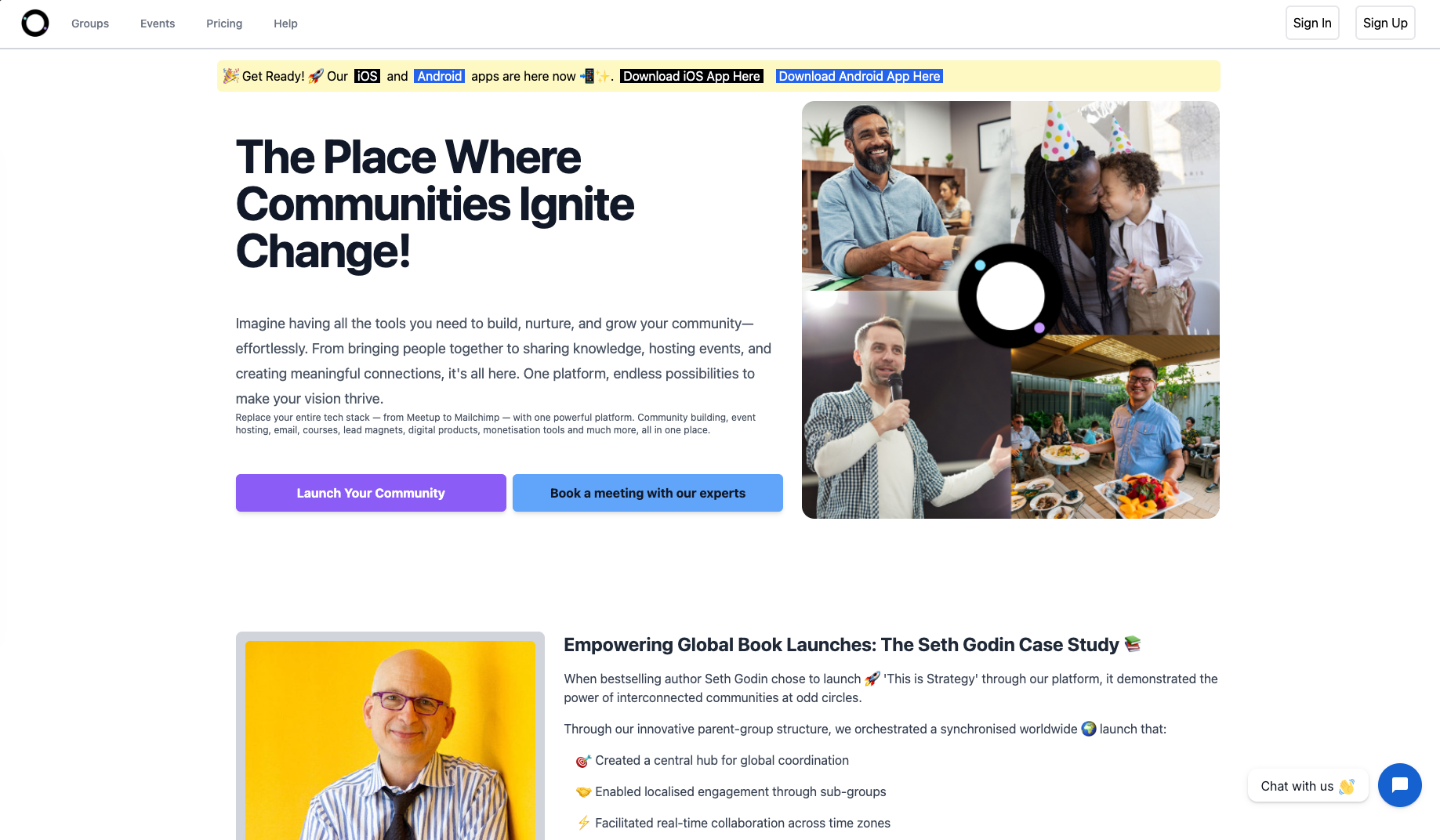
Odd Circles shines as a community and engagement tool designed for creators who want to foster meaningful interactions. It’s perfect for those looking to cultivate a sense of belonging and connection without complicated pricing structures. Users rave about the platform's intuitive design, allowing members to share resources, create discussions, and collaborate seamlessly. The standout feature here is its focus on community-building through a visually engaging interface that encourages user interaction. However, some users have expressed a desire for more robust analytics features and integrations with other tools, as they navigate their community-building efforts. Overall, if you're after a free, user-friendly option to connect with your audience, Odd Circles is a fantastic choice.
Website: https://www.mightynetworks.com
Pricing: Free tier available; paid plans starting at $23/month
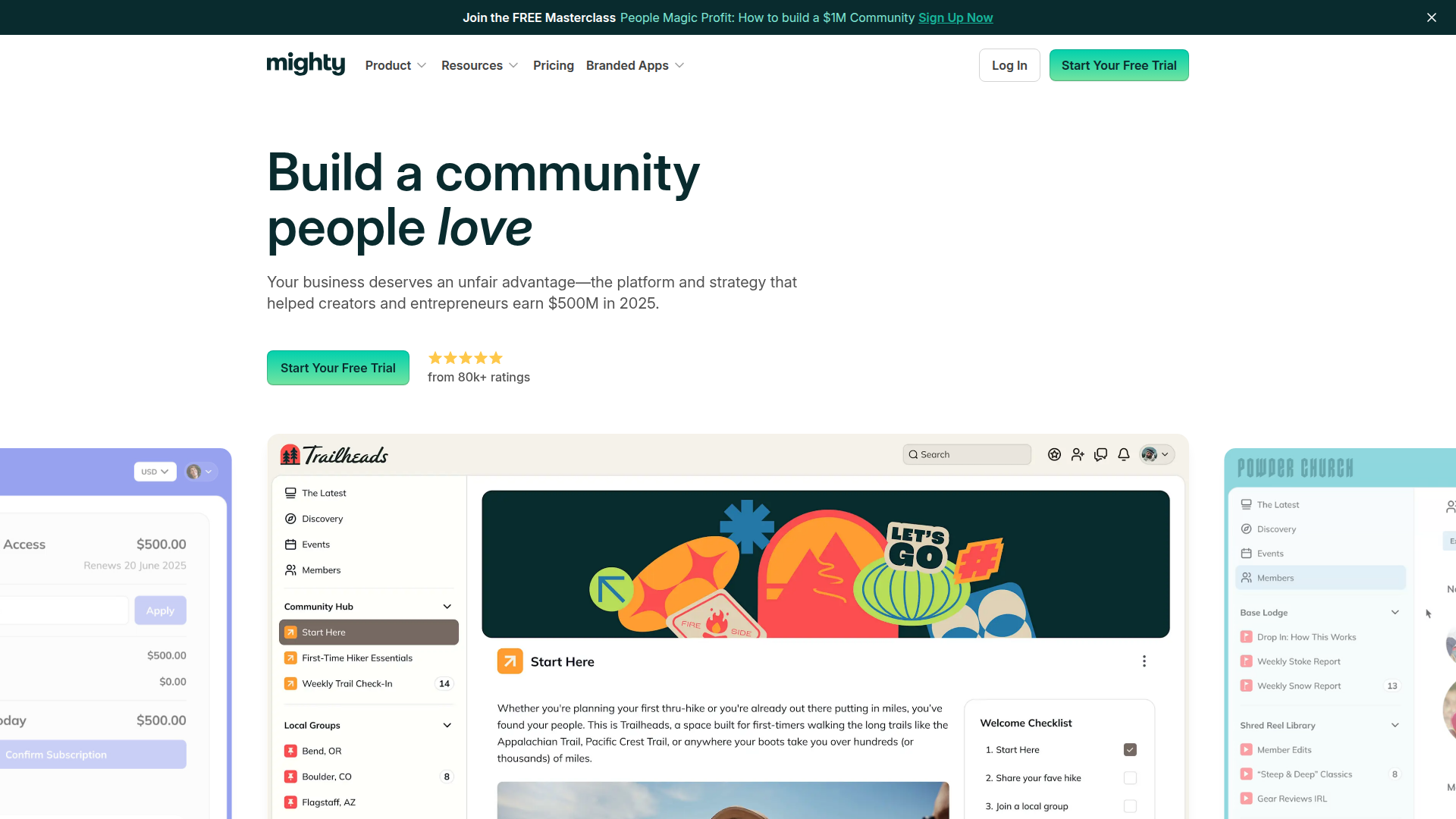
Mighty Networks is a popular choice for those wanting to create their own network with a strong emphasis on community engagement. This platform allows users to build courses, host events, and connect with members in a vibrant community. Many users appreciate its straightforward setup, which lets them focus on what matters most—building relationships. Key features like member profiles, discussion spaces, and customizable branding help create a unique network experience.
On the flip side, new users sometimes find the learning curve a bit steep, especially when exploring its full capabilities. While Mighty Networks offers solid community tools, some users have reported that customer support can be slow during peak times. If you’re looking for a powerful community-building tool with an excellent course creation interface, Mighty Networks is worth considering.
Website: https://discord.com
Pricing: Free; paid plans for enhanced features

Discord has long been a favorite among gamers but has since transitioned into a broader community tool. Users love its voice and video call features, making it easy to connect in real-time, alongside robust text chat capabilities. Many creators have found success in utilizing Discord to engage with their audience through public channels and private communities.
While it’s heavily focused on real-time interaction, some users have mentioned that the interface can get cluttered, especially as communities grow. Additionally, the lack of native video hosting can be a downside for creators who depend on visual content. Nevertheless, if your community thrives on dynamic interactions and you value engaging in real-time, Discord offers a unique atmosphere that’s hard to beat.
Website: https://www.tribesocial.io/
Pricing: Starting at $39/month with a free trial
Tribes provides a solid platform for community-building with a focus on engagement and user insights. Many users find its design appealing, as it allows them to create custom spaces tailored to specific interests. One major plus is the integration of gamification aspects, which keeps members actively participating and encourages a sense of competition.
Nonetheless, some users have pointed out limitations in customization options compared to competitors, as well as occasional technical glitches. For those who are drawn to data and insights to boost engagement, Tribes offers great features worth exploring.
Website: https://zulip.com
Pricing: Free for open source; paid plans available for additional features
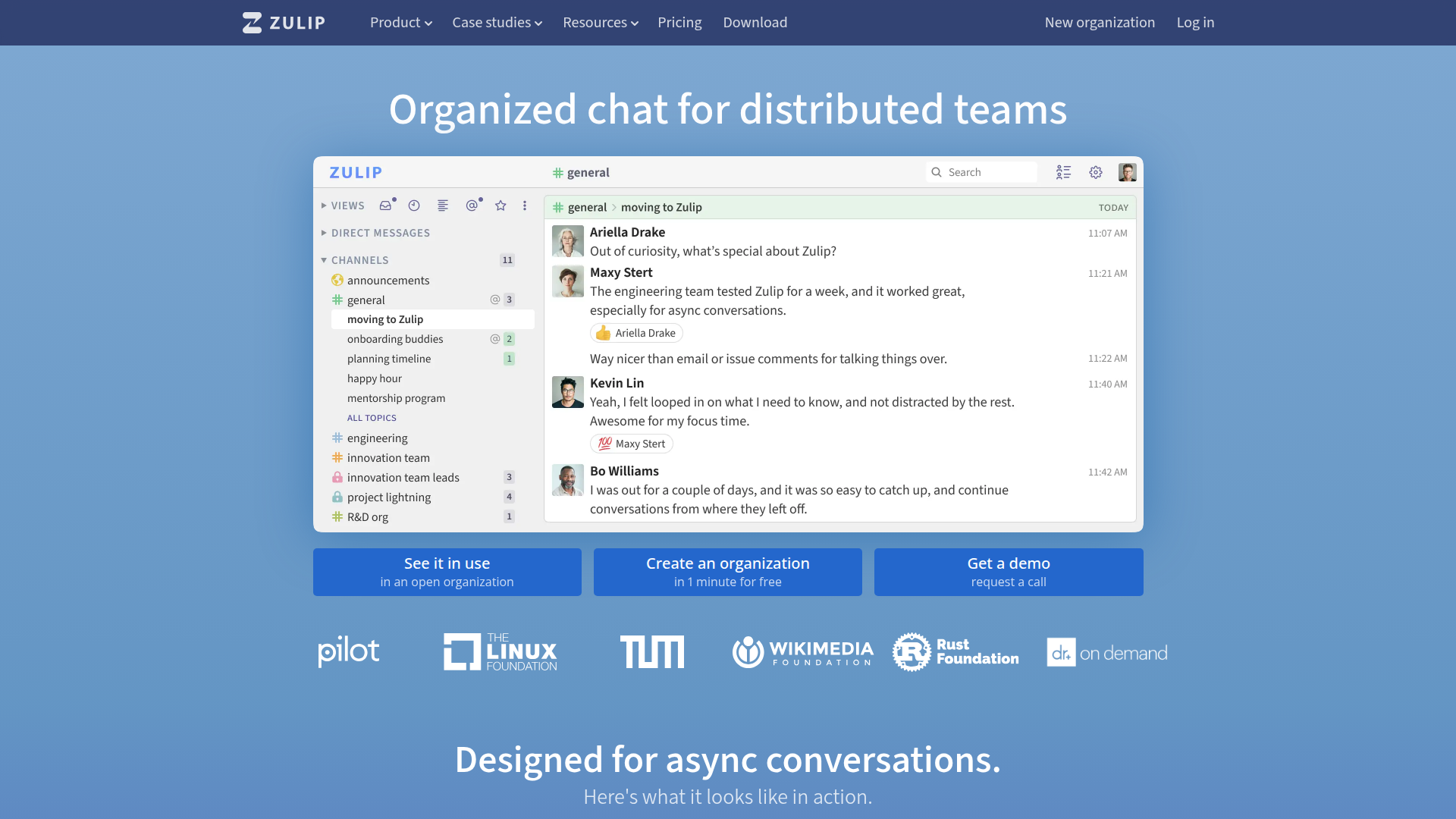
Zulip stands apart with its unique threaded conversation model, ideal for teams needing to maintain clarity in discussions. Many users rave about the effectiveness of keeping conversations organized, especially in larger groups. The combination of real-time chat with emails makes it particularly engaging for project-based communities.
However, it’s important to note that its focus on structured discussions may not appeal to those looking for a more casual communication style. Some users also feel the interface could be more user-friendly. If you prefer keeping conversations clear and structured, Zulip can be a valuable tool.
Website: https://slack.com
Pricing: Free tier available; paid plans starting at $6.67/month
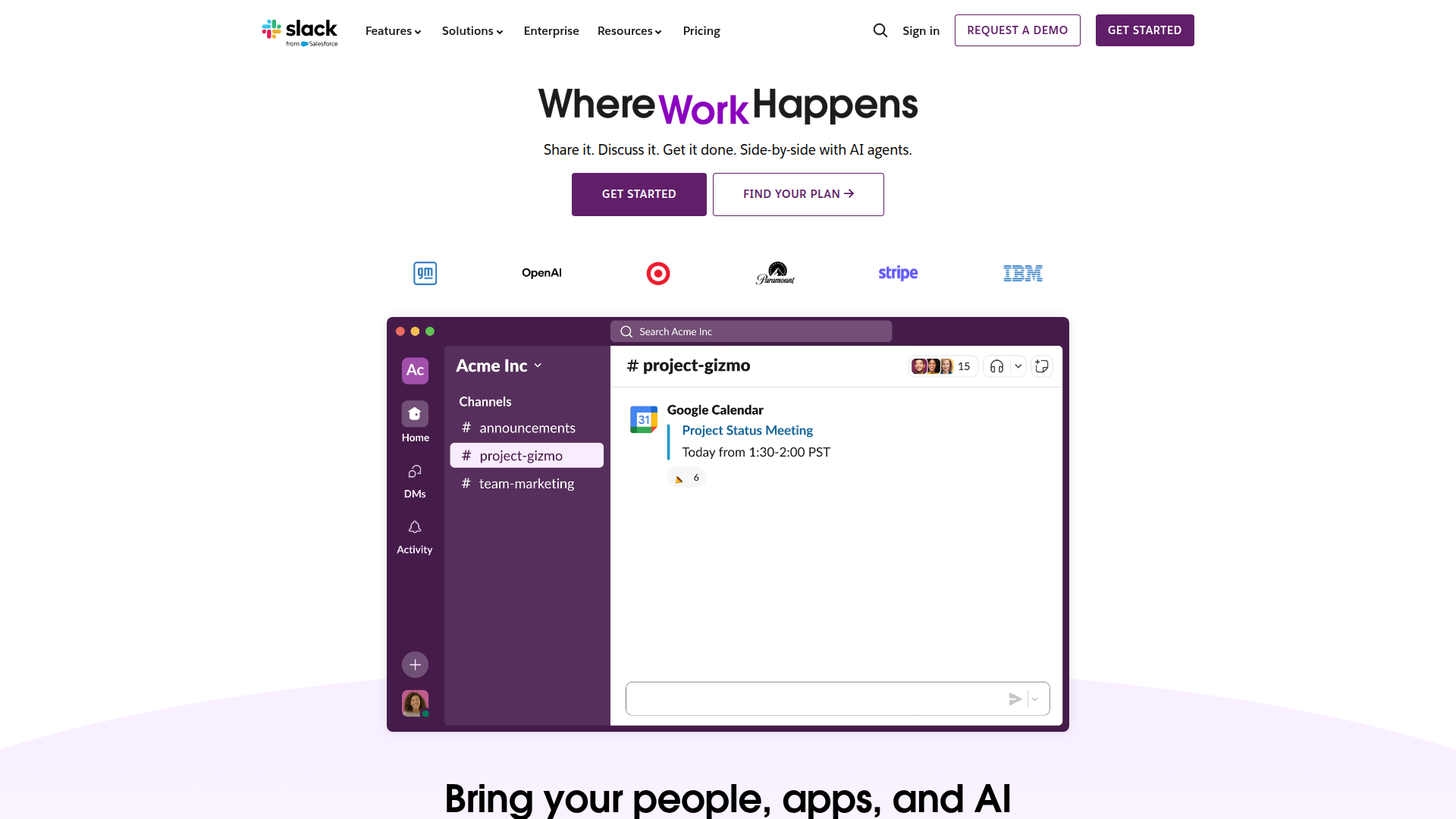
Slack has become synonymous with online collaboration and communication, offering powerful features for communities and teams alike. Users appreciate its seamless integrations and the ability to organize discussions into channels, making it easy to manage various topics. Its user-friendly design makes it accessible for nearly everyone.
Yet, some users have mentioned the potential for information overload, especially when managing multiple channels. While Slack can be incredibly powerful, the reliance on integrations for full functionality can sometimes be a drawback for less tech-savvy users. If your community thrives on structured communication and you value integrations, Slack might just be the right fit.
Website: https://www.facebook.com/groups
Pricing: Free
Facebook Groups remains a go-to space for many online communities due to its wide user base and familiarity. It’s particularly effective for audiences who already spend time on Facebook, making it easy to engage. Users appreciate the simplicity of group features, such as event planning and polls, that facilitate community interaction.
On the downside, privacy concerns and distractions from unrelated content can deter some users. There’s also a lack of advanced community management tools that can offer deeper insights into member interactions. If you’re seeking a straightforward, familiar platform to gather your community, Facebook Groups can still serve you well.
Website: https://www.podia.com
Pricing: Plans starting at $39/month
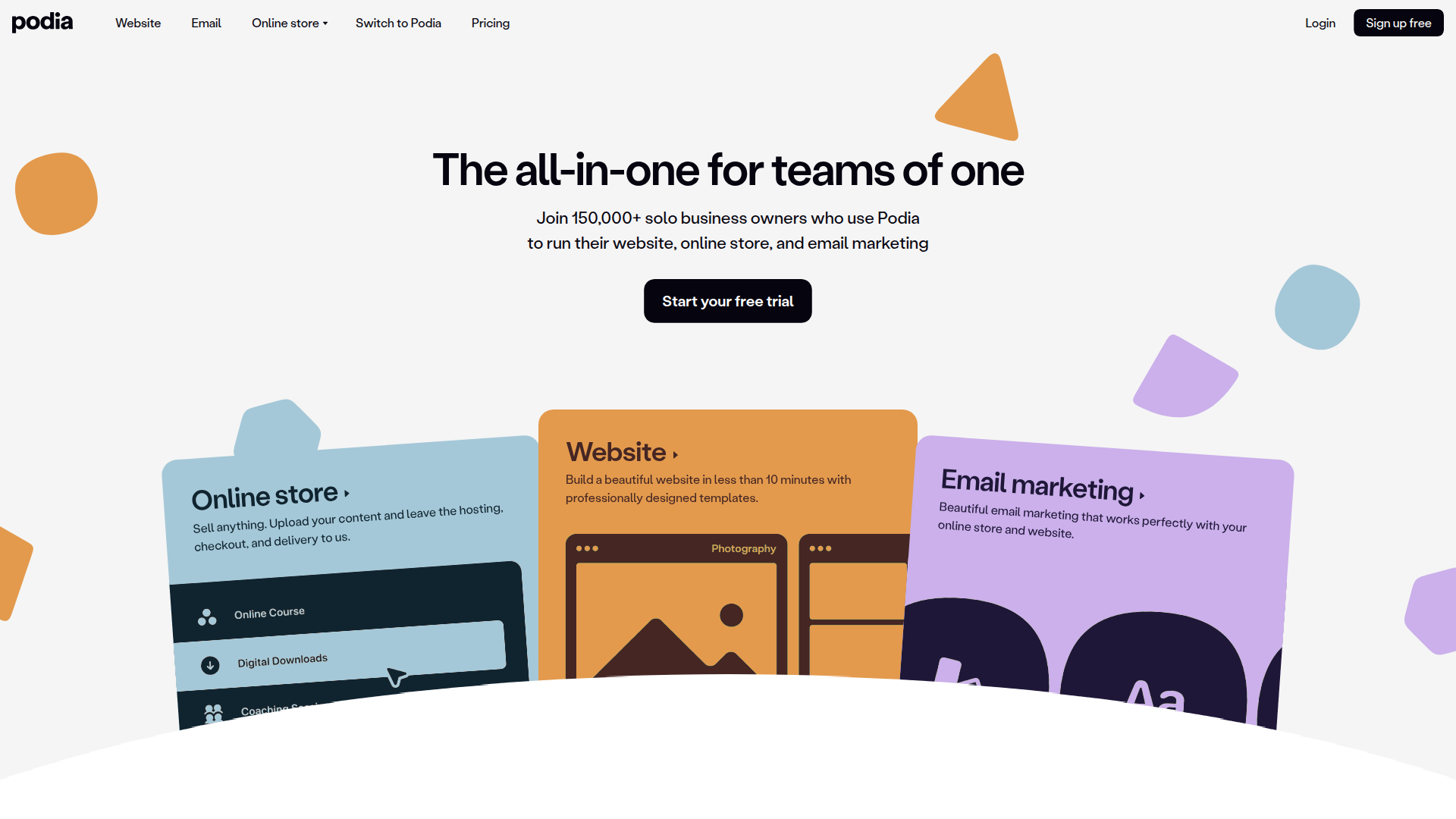
Podia is primarily known as an excellent platform for creators looking to sell courses and digital downloads, but it also incorporates community features that can be a boon for creators. Users love the ease of setup and the ability to host both content and community in one spot, making it a seamless experience for their audiences.
That said, while the community features are welcoming, some users feel they lack the depth found in dedicated community platforms. Additionally, users have raised concerns about transaction fees on sales. For creators focused on monetization alongside community engagement, Podia is a solid option to explore.
Website: https://kenvo.io
Pricing: Free for basic use; paid plans available
Kenvo emphasizes simplicity in community-building, which many users find refreshing. The platform is designed for easy setup and encourages spontaneous interaction among members. Users appreciate the clean interface and the absence of unnecessary features that complicate the user experience.
However, as it aims for simplicity, it may not have all the advanced features needed for larger communities. Scaling might become a challenge for ambitious creators. For those who prefer a straightforward and unfussy approach to community engagement, Kenvo can truly shine.
Website: https://heyo.com
Pricing: Free; premium plans available

Heyo takes a unique approach by allowing creators to build event-based communities. Users have discovered that it’s particularly effective for managing workshops and seminars. The interactive features, including live Q&A and polls, foster a great environment for community engagement.
On the downside, some users have found they need more versatility when transitioning from event-based meetings to ongoing community interaction. If you’re focused primarily on events, Heyo is definitely worth considering.
Website: https://groupme.com
Pricing: Free
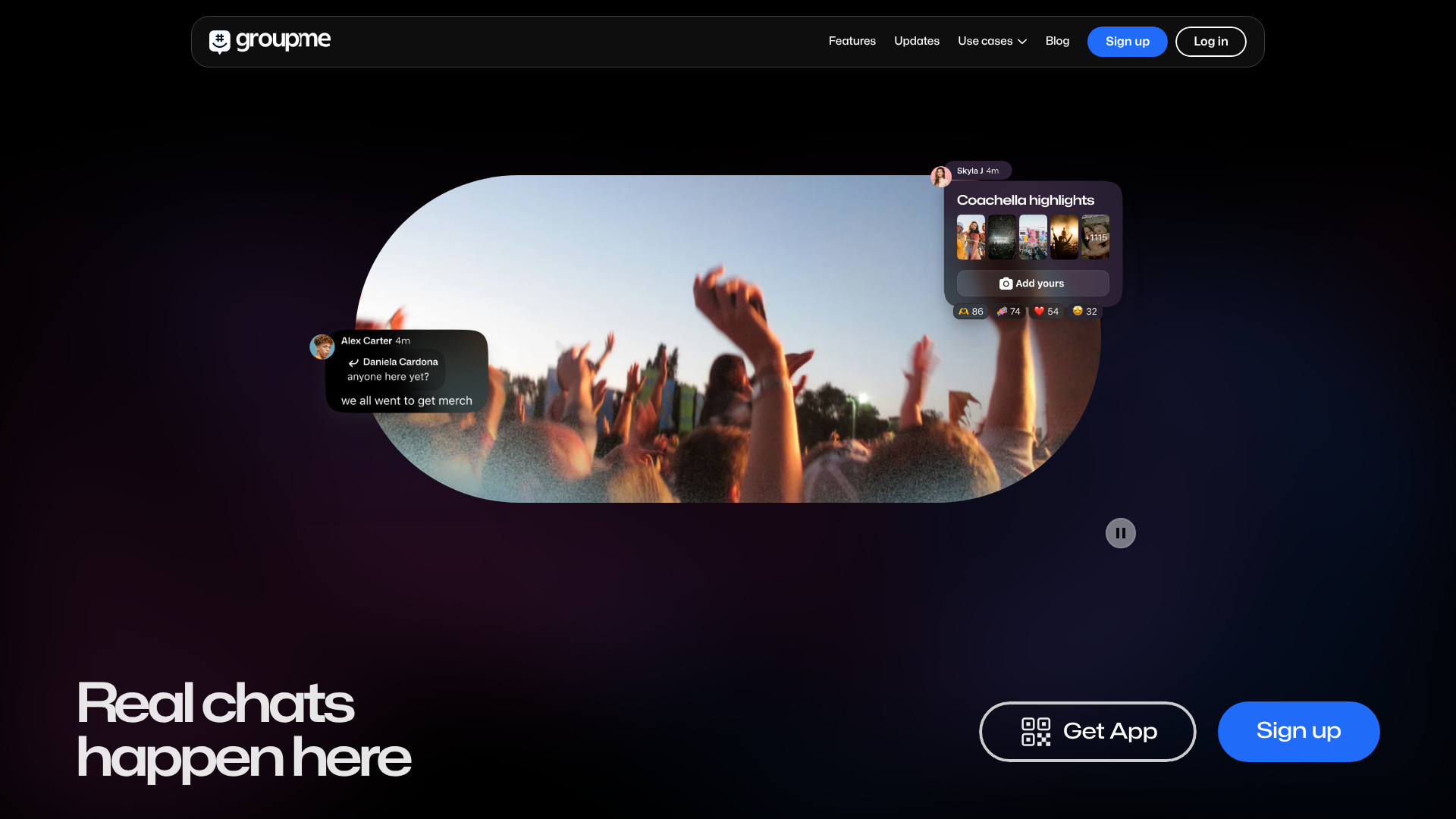
GroupMe is a simple messaging platform that provides personal and group messaging functionality for casual communities. Users value its ease of use and ability to connect across different platforms, making it a no-frills choice for community chats. Its focus on text and image sharing fosters casual interaction that works well for friends and smaller teams.
Nevertheless, it lacks many advanced community management features and can feel limited when it comes to flexibility. If you’re looking for a light-hearted communication tool to maintain connections with close-knit groups, GroupMe is a decent option.
As we’ve explored these diverse alternatives to Circle.so, it’s clear each one carries its own strengths and some limitations, tailored to different community needs. Whether your priority lies in robust analytics, seamless communication, or building engaging educational content, you’ll find a choice that fits your unique style. Dive deeper into these options according to your specific goals, and may your journey in creating an engaging community be as rewarding as it is fulfilling. Feel inspired to explore and find the perfect platform that aligns with your vision!
Create a thriving online community on Odd Circles. Connect with like-minded people, organize events, and grow together - completely free.
Start NowLearn how to generate revenue from your community with our expert consultation. We'll help you discover the best monetization strategies tailored to your audience.
Book a Call
1 members

3 members

1 members